
Sustainable clothing: Breaking the fast fashion cycle
Published on February 20, 2026
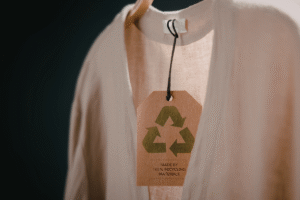 Every year, millions of tons of clothing are discarded worldwide. In the United States alone, around 9 million tons of unwanted clothing and footwear end up in landfills annually. This growing waste is driven largely by fast fashion – inexpensive, trend-driven clothing designed to be worn only a few times before being replaced.
While fast fashion seems affordable and convenient, it comes with serious environmental consequences. The trend relies on rapid production cycles that consume enormous amounts of water, energy and chemicals, and many garments are made with low-quality synthetic materials that shed microplastics and take decades to decompose. The result is a system that prioritizes speed and profit over people and the planet.
Fortunately, there are simple ways to break this cycle and dress more sustainably without sacrificing style:
One of the most effective steps is to rethink how much we buy. Before purchasing a new item, ask yourself whether you’ll wear it at least 30 times. This small pause can curb impulse buying and encourage more thoughtful choices. Renting or borrowing clothing for special occasions is also a great option.
Secondhand shopping is another tool. Thrift and vintage stores offer unique, well-made pieces that already exist in the world and deserve a longer life. Choosing pre-owned clothing keeps items out of landfills while reducing the demand for new production.
When buying new clothing, focus on quality over quantity. Supporting brands that prioritize ethical labor practices and environmentally responsible materials helps push the fashion industry in a better direction with your personal choices.
Fabric choice matters as well. Natural fibers such as organic cotton, linen, wool, and silk tend to be more durable and biodegradable than synthetic alternatives. Caring properly for your clothing like washing less often, using cold water, air-drying, and repairing items when needed, further extends garment life and reduces environmental impact.
Finally, get creative with what you already own. A small change can freshen what you already have.
By dressing more thoughtfully, we can reduce waste, support ethical practices and build wardrobes that are stylish and responsible.