
The Art of Pruning
Published on December 29, 2025
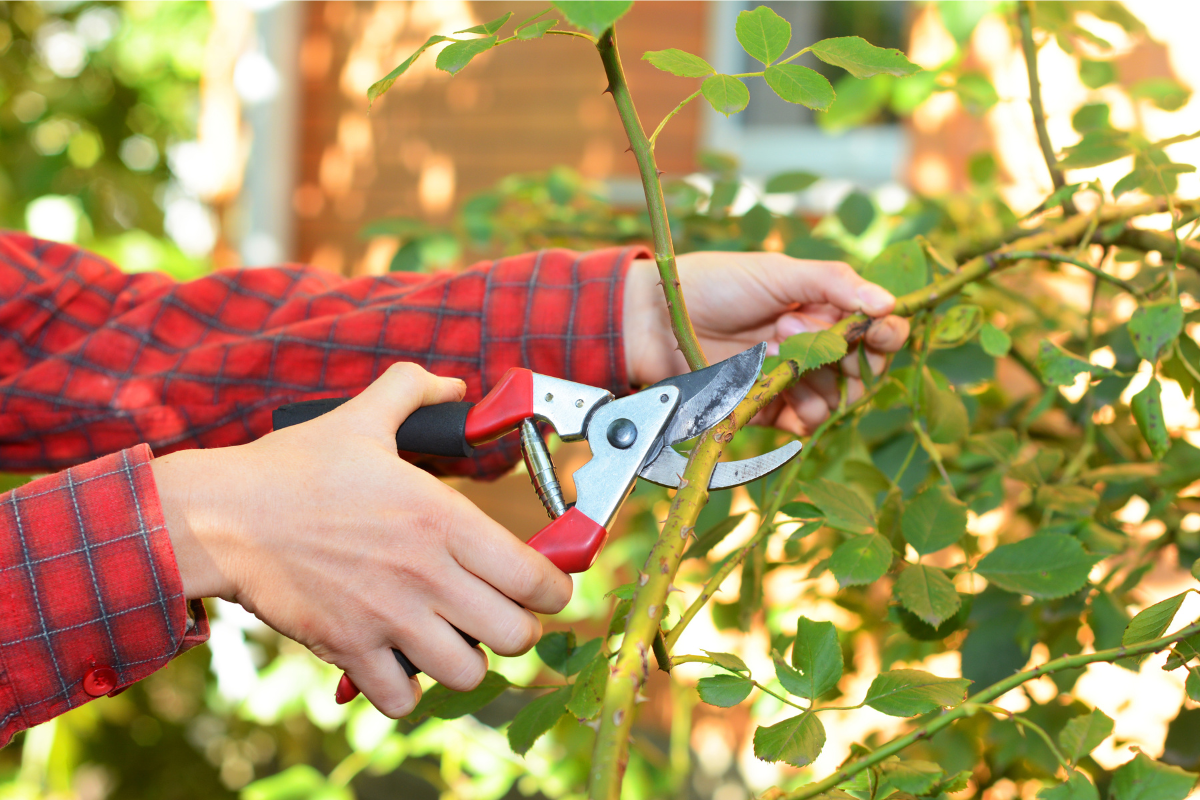
Pruning is both an art and a science; the art is making clean, confident cuts, and the science is knowing when, where and how to prune so your plants grow stronger, healthier and more beautiful. So, why prune?
Proper pruning keeps plants the right size, prevents weak branch structures, increases sunlight and removes dead or diseased wood. If you want to dig deeper, and discover the best times to prune, Alabama Extension has an excellent study guide, and the Edward F. Gilman’s An Illustrated Guide to Pruning (3rd edition) is also a gardeners dream to pruning.
But before heading into the yard, give your pruning tools a little attention. Clean tools make cleaner cuts – and they won’t carry bacteria, fungi or viruses from one plant to another. A quick tool cleanup now can save a lot of trouble later.
Good tool cleaning begins with brushing off heavy dirt, then wash everything with warm, soapy water. A stiff brush works well for stubborn spots, and a strong spray from the hose clears tight spaces. Wash, dry, and finish with a light coat of oil to keep them in good condition.
When it comes to disinfecting your tools, you have a few reliable options:
Lysol® All-Purpose Cleaner is tough on germs and gentle on metal. It’s ideal for pruners, loppers, hand tools, pots and even plant labels. Simply remove the dirt, spray or briefly soak the tool, then let it air dry. Many gardeners keep one pair of pruners for cutting and another disinfecting so they can work without stopping.
Everyday bleach is fast and inexpensive, but it can be hard on metal. A 1:9 bleach-to-water solution works well for sanitizing shovels, rakes, cages and larger pots. Let tools dry completely afterward and add a little linseed, tung or mineral oil to prevent rust.
The easiest option is to use 70% rubbing alcohol – no mixing required – perfect for wiping pruners between cuts or when moving from plant to plant. Just remember, rubbing alcohol isn’t strong enough for tools used on fire-blight-infected apple or pear trees.
Because disinfectants can be irritating to skin and lungs, take a moment to read the label and use gloves or goggles when needed. Store chemicals safely, and if someone is ever accidentally exposed, call 911 or Poison Control at 1-800-222-1222.
Safety first when pruning and your plants will be looking healthier in no time!