Getting to the root of it: What’s really happening beneath our feet?
Published on
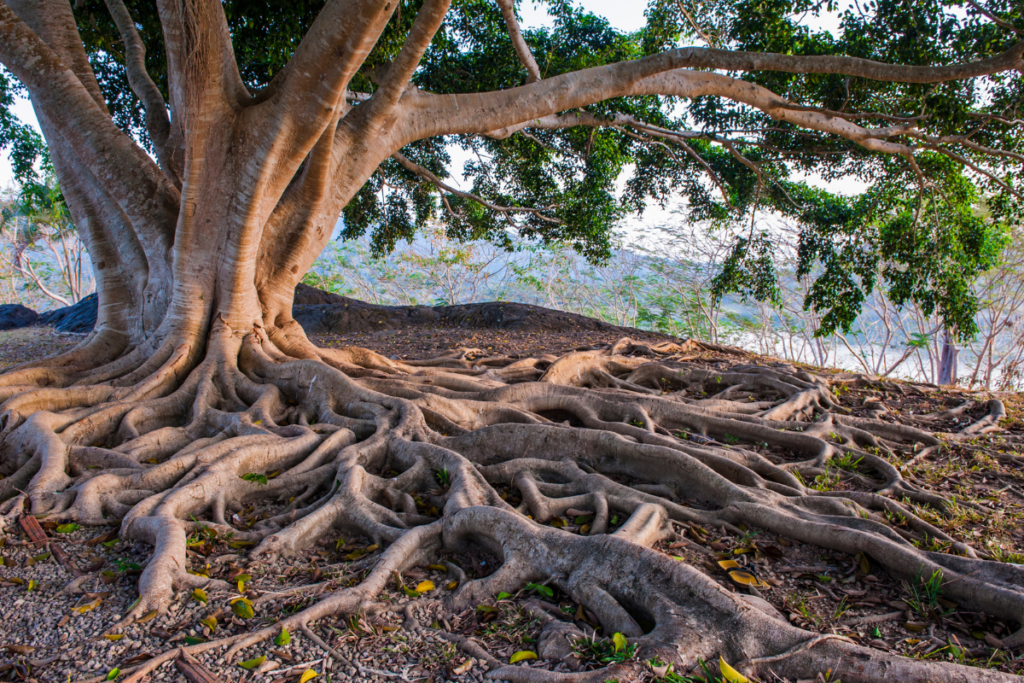
For generations, many of us have heard and repeated a familiar assumption: Tree roots in the ground mirror the crown above. It’s a tidy thought, but as Huntsville City Arborist Marc Byers explains, it’s far from accurate. And understanding the truth matters for the long‑term health and stability of Huntsville’s urban trees.
“The roots may be hidden, but they’re doing all the heavy lifting,” Byers said. “When we take care of the space around a tree, we’re really taking care of the tree itself.”
The Hidden Architecture of Roots
Tree roots don’t plunge deep into the earth to match a tree’s height. Instead, they spread outward—often two to three times wider than the tree’s canopy—because they need access to oxygen and water. In Huntsville’s dense, heavy soils, these vital resources often aren’t available much deeper than two feet.
“Everyone loves a big, shady tree, but most don’t realize its roots are living just a couple of feet below the surface,” Byers said. “When we protect that shallow space, we’re giving the tree exactly what it needs to stand strong.”
This shallow but expansive root zone contains both feeder roots (which absorb water and nutrients) and support roots (which anchor the tree). Understanding how roots grow helps residents make thoughtful decisions about planting, maintaining, and protecting the trees that enhance our city’s landscapes.
“Urban trees deal with a lot: foot traffic, compacted soil and cars parked right over their roots,” added Byers. “When you understand how wide those roots really spread, it’s easy to see why small changes make a big difference.”
Getting to the Root of the Matter
Knowing that root systems are shallow explains several common challenges urban trees face:
1. Trenching can seriously destabilize a tree.
Even shallow trenches created for utilities, landscaping or construction can sever roots and weaken the tree. The closer trenching occurs to the trunk, or the more trenches added, the greater the harm.
2. Soil compaction is a silent threat.
Foot traffic alone can compress soil enough to restrict water and oxygen flow. Parking beneath a tree, as tempting as the shade may be, compounds this problem and damages roots over time.
3. Smarter watering and fertilizing go a long way.
Because roots extend well beyond the canopy edge, spreading water and fertilizer across a wider area is far more effective than concentrating it near the trunk. Nearby plants and trees can coexist beautifully when sunlight, water and nutrients are plentiful across the shared root zone.
Tips for Growing Strong Roots
A few simple habits can protect our community’s trees:
- Avoid digging or trenching near the trunk whenever possible.
- Keep vehicles off root zones; consider adding defined walkways in high‑traffic areas.
- Water slowly and widely around your trees — think “outward and broad,” not “deep and close.”
- Use mulch to reduce compaction and help maintain soil moisture.
“Roots may be out of sight, but they should never be out of mind. The more we respect what’s happening beneath the surface, the better we can support Huntsville’s tree canopy for years to come,” Byers said.
Together, these steps help maintain Huntsville’s tree canopy, support healthier landscapes and ensure our public and private spaces stay greener well into the future.