
Turn Your Landscape Into a Living Pantry
Published on
Edible gardening, also known as foodscaping, is a trend homeowners should consider. The old idea that ornamental plants must stay separate from the vegetable garden is becoming a thing of the past. There’s no need to build new beds when you can tuck edible plants directly into your existing landscape, creating spaces that are both beautiful and productive.
Foodscaping also opens the door to creative, sustainable design that makes the most of your yard’s potential.
Some edible plants blend seamlessly into ornamental beds, adding texture, color, and seasonal interest while providing fresh ingredients right outside your door. Even simple additions—like slipping veggies or herbs into open spots—can boost both function and curb appeal.
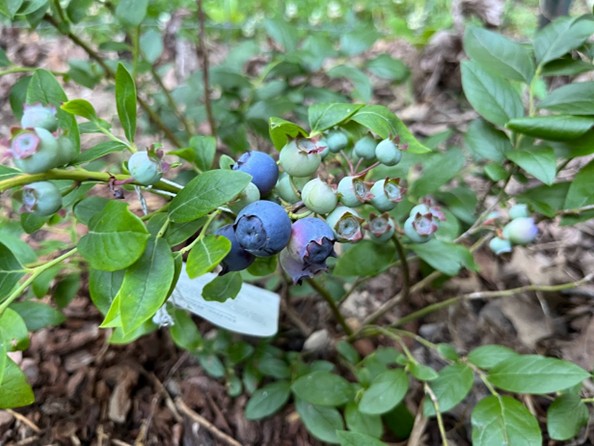
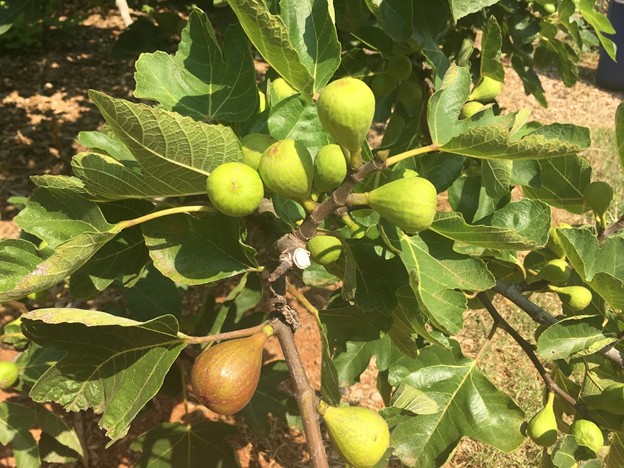
Dwarf blueberry bushes offer spring flowers, summer fruit, and fall color, while asparagus adds a soft, fern‑like texture that complements ornamental plantings. And instead of traditional ornamentals, you can also incorporate edible trees and shrubs like Asian pear or Brown Turkey fig, which expand your harvest season and add year‑round interest to your landscape.
 “Foodscaping turns your landscape into a living pantry,” said Niki Sothers, Manager of Green Team. “It’s one of the easiest, most rewarding ways to make your yard work for you.”
By rethinking traditional landscaping, homeowners can transform everyday spaces into vibrant, sustainable environments that support both beauty and purpose.