
When good neighbors give bad tree advice
Published on
Advice from Marc Byers, City Arborist
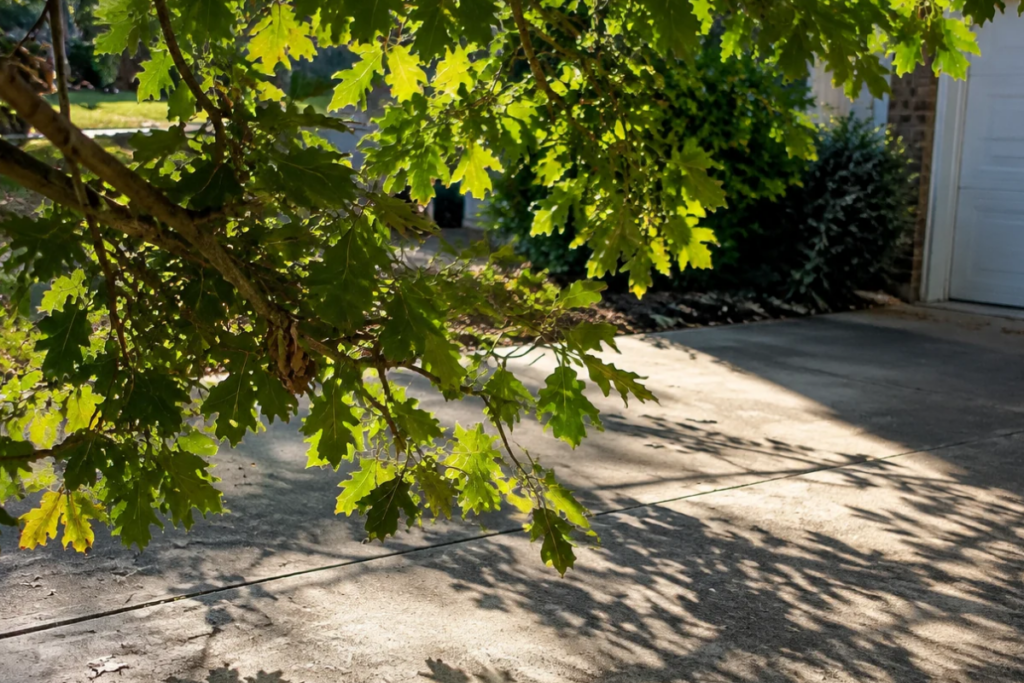
On a beautiful fall Saturday, when your football team is on a bye week, you get your handy-dandy pruning saw out and start cutting some low limbs drooping over your driveway. Your neighbor walks over and injects, “You don’t have to cut those limbs. They’ll raise themselves over time!”
Except the neighbor is not correct. Those limbs won’t raise themselves.
A limb’s position will never move upward. Trees grow through extension and expansion. In other words, the limb gets longer, potentially becoming even more inconvenient, and it gets larger in diameter, making it more difficult to remove later.
The basic explanation comes down to tree biology. Cell division responsible for lengthening, or elongation, occurs at the growing tips of branches. In the trunk, cell division increases diameter rather than length, so existing branches never change position. This annual increase in diameter is what creates the rings you see in tree trunks.
Another common pruning misconception (possibly learned from that same neighbor) is that branches removed at the trunk will simply grow back. What happens is one of two things, depending on the species and condition of the tree:
- The branch never resprouts and no additional growth occurs.
- The tree produces sprouts from the tissue surrounding the removed branch.
While these sprouts are technically new growth, they are never attached to the trunk the same way the original branch was. They rarely develop a natural appearance and never truly replace the branch that was removed.
One of the first lessons professional arborists learn is: “You can’t put it back, but you can come back.”
And as you now understand, it also won’t just grow back.
Making multiple trips to prune a tree is far better than living with the regret of removing too much in a moment of impatience.